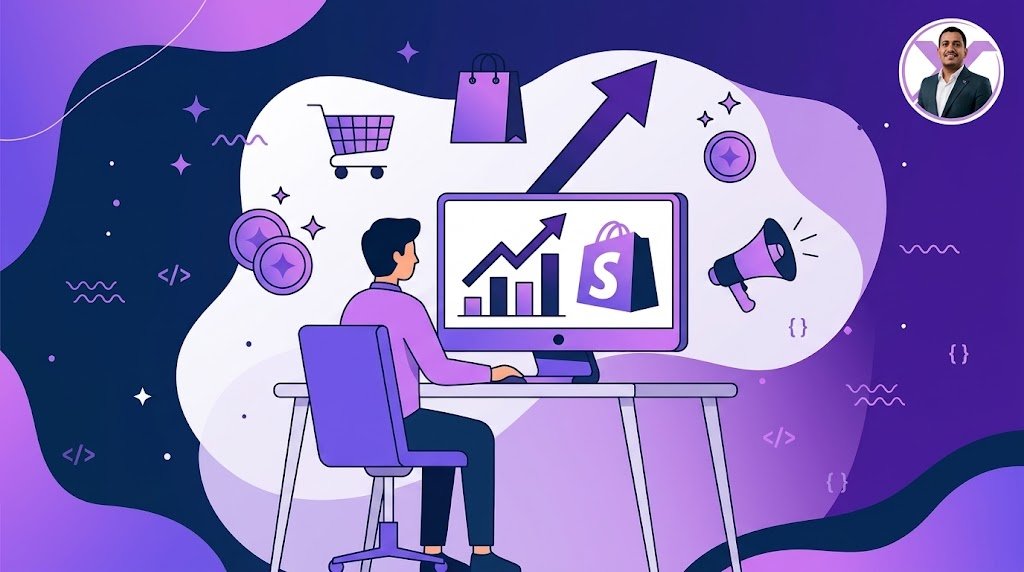
5 Proven Shopify Tips to Boost Your Sales
Driving traffic to your Shopify store is only half the battle. Learn how to optimize your store's conversion rate and turn visitors into loyal customers.
The e-commerce space is more competitive than ever. With millions of stores online, having a beautiful Shopify theme is just the starting point. To actually grow your revenue, you need to focus on user experience, speed, and smart marketing strategies. Implementing actionable Shopify tips is the fastest way to turn casual browsers into loyal buyers.

Whether you are just launching your store or looking to scale, here are 5 high-impact Shopify tips that will help you convert more visitors into paying customers.
Top Shopify Tips for E-Commerce Growth
1. Shopify Tips: Optimize Product Pages
Your product pages are where the buying decision happens. Make sure your images are high-quality but compressed (use WebP format) to keep your site fast. Include detailed descriptions, size guides, and user-generated reviews. Trust signals like reviews and clear return policies can drastically reduce hesitation and increase your conversion rate.
2. Shopify Tips: Implement Upsells
One of the easiest ways to increase your Average Order Value (AOV) is by suggesting complementary products. If a customer buys a laptop, suggest a laptop sleeve. You can do this natively in Shopify or by using apps to show "Frequently Bought Together" bundles on the product page. This strategy is a staple among successful e-commerce brands.
3. Shopify Tips: Simplify Checkout
Cart abandonment is a huge issue in eCommerce. The longer the checkout process, the more likely a customer will leave. Enable Shop Pay and express checkouts like Apple Pay or Google Pay. Allow guest checkout—forcing users to create an account before buying is a major conversion killer. For more checkout optimization strategies, check out the official Shopify guide.
4. Shopify Tips: Speed Up Your Store
Every second counts. If your Shopify store takes more than 3 seconds to load, you are losing sales. Audit your installed apps regularly—too many apps load extra scripts that slow down your site. Use a lightweight theme and optimize your images to ensure a lightning-fast experience. Speed is a direct ranking factor for SEO as well.
5. Shopify Tips: Automate Email Marketing
Not everyone buys on their first visit. Implement automated email flows for abandoned carts, welcome series, and post-purchase follow-ups. Tools like Klaviyo integrate perfectly with Shopify and allow you to recover lost sales automatically. Email marketing typically yields a higher ROI than any other channel.
Advanced Strategies for Scaling
Once you have mastered the basics, it's time to look at advanced data analytics. Use Shopify Analytics to track your customer lifetime value (CLTV) and identify which marketing channels are actually driving profitable sales, not just traffic. Don't be afraid to A/B test different variations of your product pages. Small changes in button colors or copy can sometimes yield massive improvements in conversion rates.
Finally, never stop learning. The e-commerce landscape changes rapidly, and what worked last year might not work today. By consistently applying these Shopify tips, you'll build a resilient, highly profitable online store.
Final Thoughts
Optimizing a Shopify store is an ongoing process. Test one change at a time, monitor your analytics, and see what works best for your specific audience. A faster, more intuitive store always wins in the long run.
Need help customizing your Shopify store?
From Liquid customization to full store setups, I can help you scale.